
Home Service Fleet Marketing Failures That Cost You Leads
Chris Graham · April 20, 2026
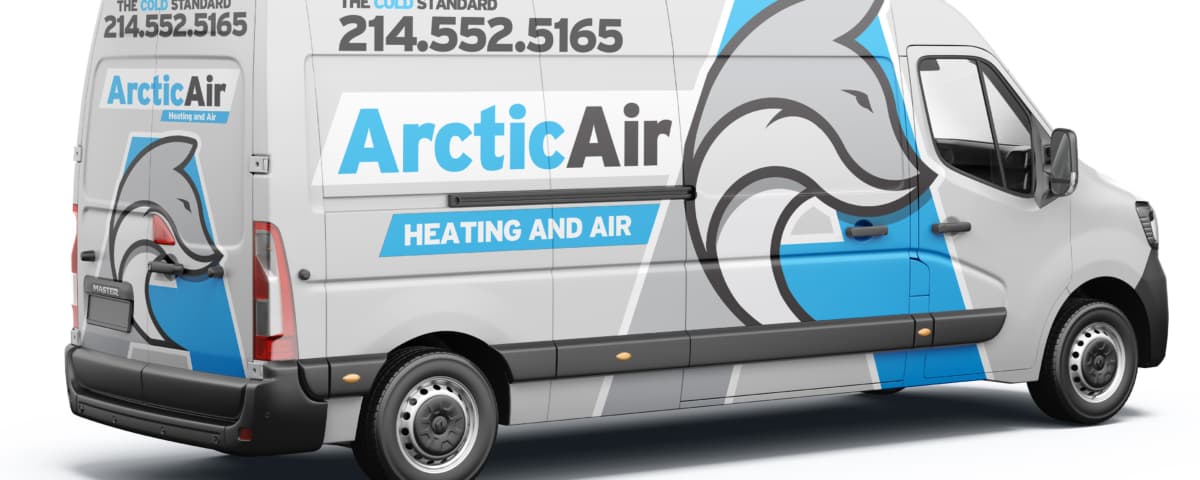
If you run a home service business with a fleet of vehicles, you've likely fallen into the most expensive trap in the industry: the fragmented marketing model.
Look at your current vendor list. You probably have a software platform for your operations, a local wrap shop for your trucks, and a digital marketing agency for your website and ads. What do they all have in common? None of them talk to each other, and no one is actually responsible for the results. The wrap shop sells a physical product and walks away. The software company sells a tool and leaves you to figure it out. The digital agency charges a $5,000 monthly retainer to run internet ads while ignoring the single most valuable physical asset your business owns: your fleet.
This fragmentation is why so many service businesses end up with an "art project" on their trucks and a "ghost town" on their website. It's costing owners millions in unrealized revenue.
The illusion of the "top 10 marketing guides"
If you search for how to market a home service business, you'll find endless articles from software companies and agencies telling you to "optimize your SEO," "design a good logo," or "run better Facebook ads." They treat branding as a commodity and isolate marketing into silos.
Here's the hard truth: buying a $10,000 wrap without a digital conversion system to track the leads it generates is a waste of capital. Conversely, paying an agency a massive retainer to run Google Ads while technicians drive unbranded, white "ghost fleet" vans through target neighborhoods is a failure of leadership.
Service businesses, whether HVAC, plumbing, or electrical, don't need more isolated activities to manage. They need an integrated system.
Asset management over ad spend
The most successful service businesses don't view their trucks as a transportation expense. They view them as revenue-generating assets.
When a fleet is properly integrated with a digital footprint, a shift happens. The physical asset, the truck, starts generating organic, local demand. That organic demand reduces reliance on expensive pay-per-click ads. The fleet essentially subsidizes the cost of the company's digital marketing. But to achieve this, the gap between high-level digital strategy and street-level fleet production has to be bridged.
Why the traditional model fails
Why can't standard agencies or wrap shops execute this integrated approach? Because their business models are structurally flawed. Traditional ad agencies can't offer competitive pricing because they don't have the revenue subsidy generated by in-house fleet production. Local wrap shops can't deliver strategic growth because they're transactional order-takers; they lack the infrastructure to manage web, reputation, and digital conversion systems.
Until these two worlds are unified under one roof, the business owner is left holding the bag and managing multiple vendors who all stop short of accountability.
The execution engine
This is exactly why WrapMasters exists. We saw the fragmented model breaking service businesses, so we built a different framework. We don't sell marketing campaigns. We don't sell software. We don't just sell wraps. We take ownership of the assets that create demand, and we stay accountable for what they produce.
WrapMasters is a fleet-first growth partner that owns the outcome, not just the activity, unifying every part of marketing, physical and digital, under one accountable function.
Strategy without execution is just hallucination. If you're ready to stop managing vendors and start dominating the driveway, it's time to unify your growth.