Why the Best-Performing Vehicle Wraps Aren’t the Most Creative
January 23, 2026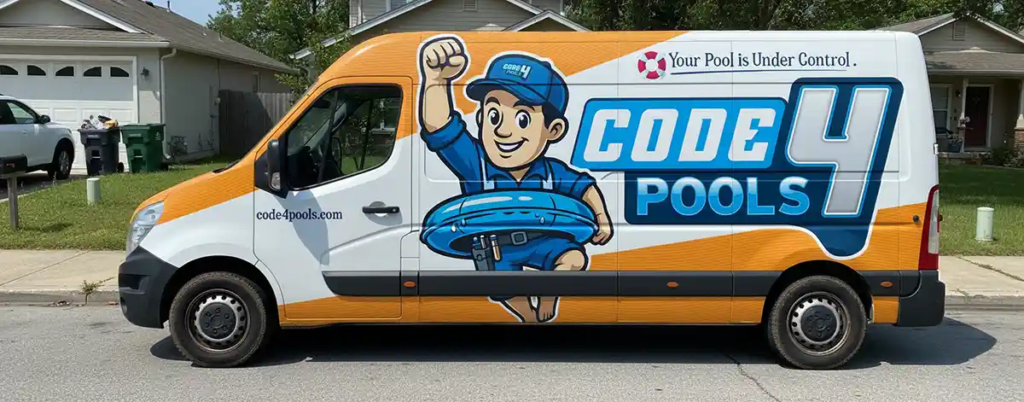
Why Contractor Vehicle Wraps (and Business Names) Are Changing, and What’s Actually Working Now
For years, contractor trucks tried to do one thing:
Explain everything.
→ Who you are. → What you do. → Every service you offer. → Every reason to call you.
And for a long time, that worked. Today, the trucks that get remembered, and talked about, work very differently.
This isn’t a design trend. It’s a response to how customers actually decide now.
When Visibility Alone Was Enough
The traditional contractor truck followed a simple formula:
- Company name
- Phone number
- List of services
In less crowded markets, that was enough. Customers had fewer choices. Seeing your truck a few times created familiarity. Familiarity led to calls.
Visibility was the advantage.
When “More Information” Became the Strategy
As competition increased, many contractors responded by adding more:
- Larger graphics
- Full service lists
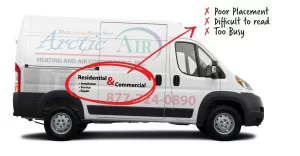
- Icons, badges, claims
- Financing options and social handles
The thinking was reasonable:
“If people know everything we do, they’ll choose us.”
But customer behavior didn’t follow that logic. At a stoplight or on the highway, no one studies a truck like a brochure. People glance, filter, and move on.
Instead of building trust, many wraps became visually dense and easy to forget.
The Real Shift: Recognition Over Explanation
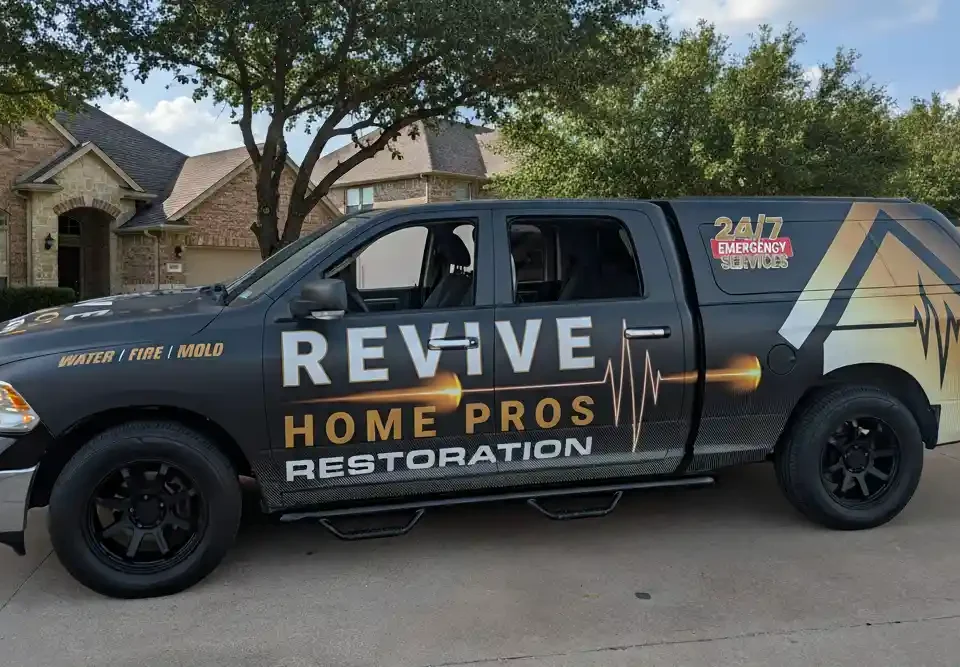
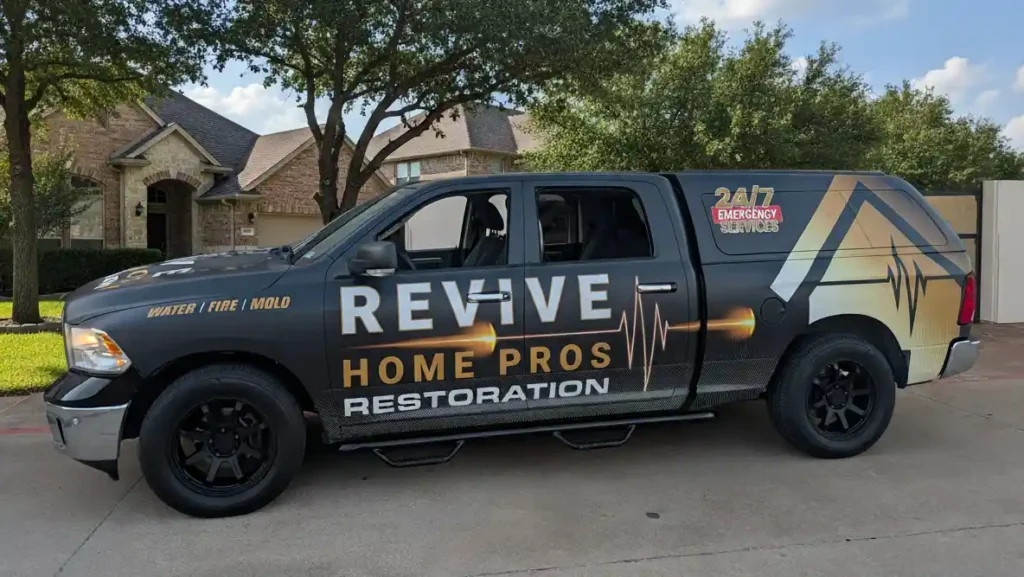
The most effective contractor wraps today are built around a different goal. They’re not trying to explain the business. They’re trying to be recognized. Common traits of high-performing wraps:
- Bold, limited color palettes
- Strong logo systems (not just one logo)
- Minimal text
- One clear identifier (brand name + website or phone)
- Designed to be read in motion, not parked
These wraps aren’t simpler because of trends. They’re simpler because customers decide faster. The goal is no longer:
“Tell them everything.”
The goal is:
“Make sure they remember us.”
How Customers Actually Choose a Contractor
Most contractors assume the decision happens when the phone rings. In reality, the decision starts much earlier. Customers move through layers:
- Recognition – “I’ve seen them before.”
- Trust – “They seem legit.”
- Validation – Google, website, reviews.
- Contact – Call or form fill.
Most trucks try to handle all four at once. The best trucks dominate step one. That’s why brand-led wraps often result in:
- Higher brand recall
- More “I’ve seen your trucks everywhere” comments
- More direct searches instead of price-only calls
Not because they’re louder, but because they’re clearer.
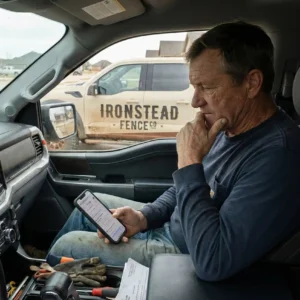
The Change Most People Miss: Business Names Are Evolving Too
At the same time vehicle wraps became more brand-led, something else started changing quietly:
Business names. Older naming logic focused on explanation:
“Tell people what we do.”
In crowded markets, that approach blends in. Newer naming logic focuses on positioning:
“Pre-frame why we’re trusted.”
That difference matters.
Examples we’re seeing work:
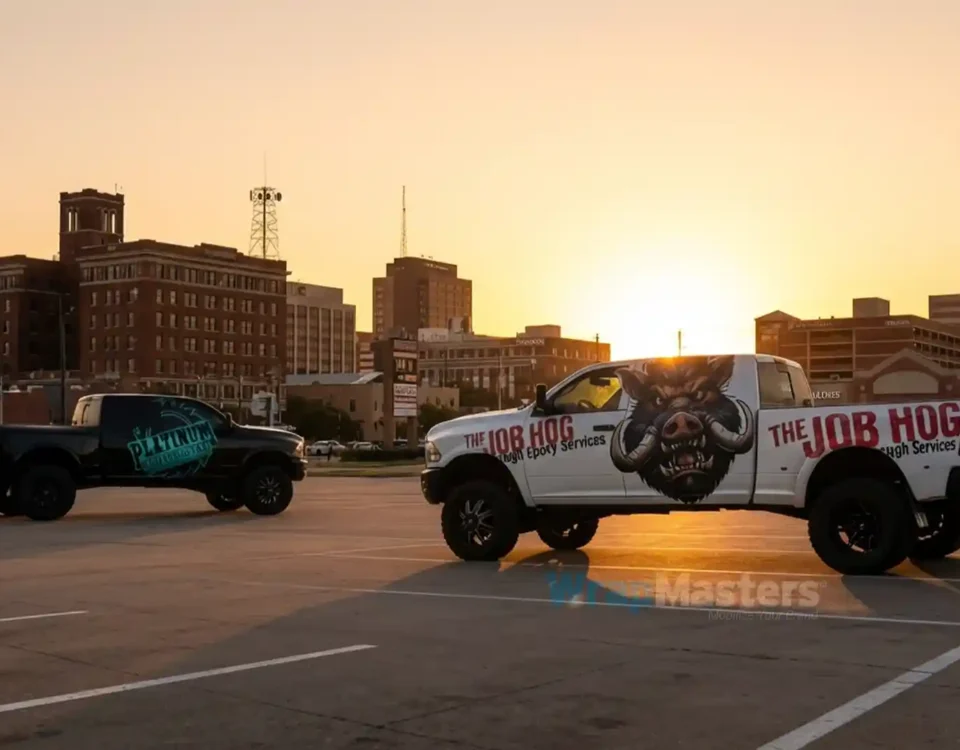
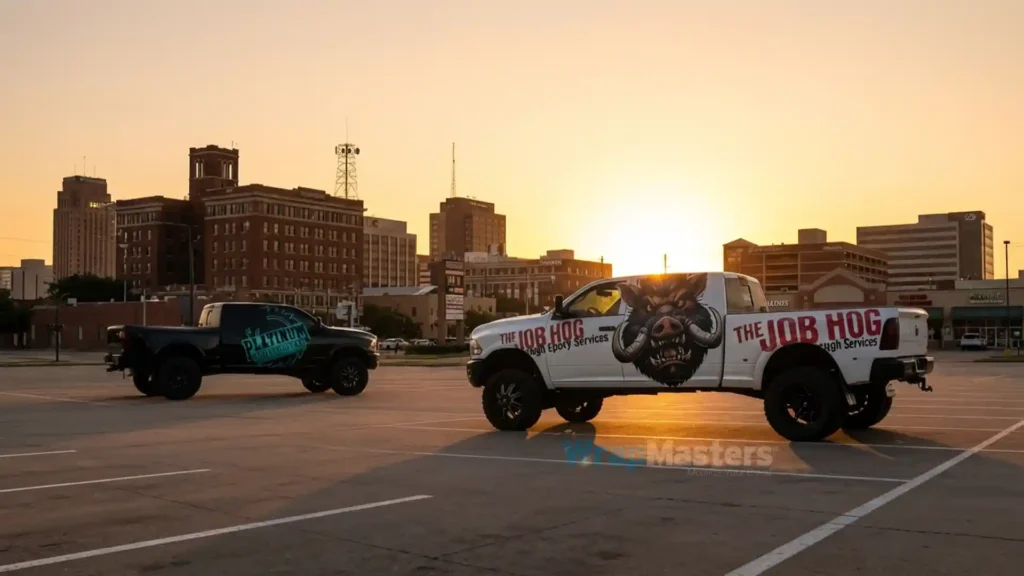
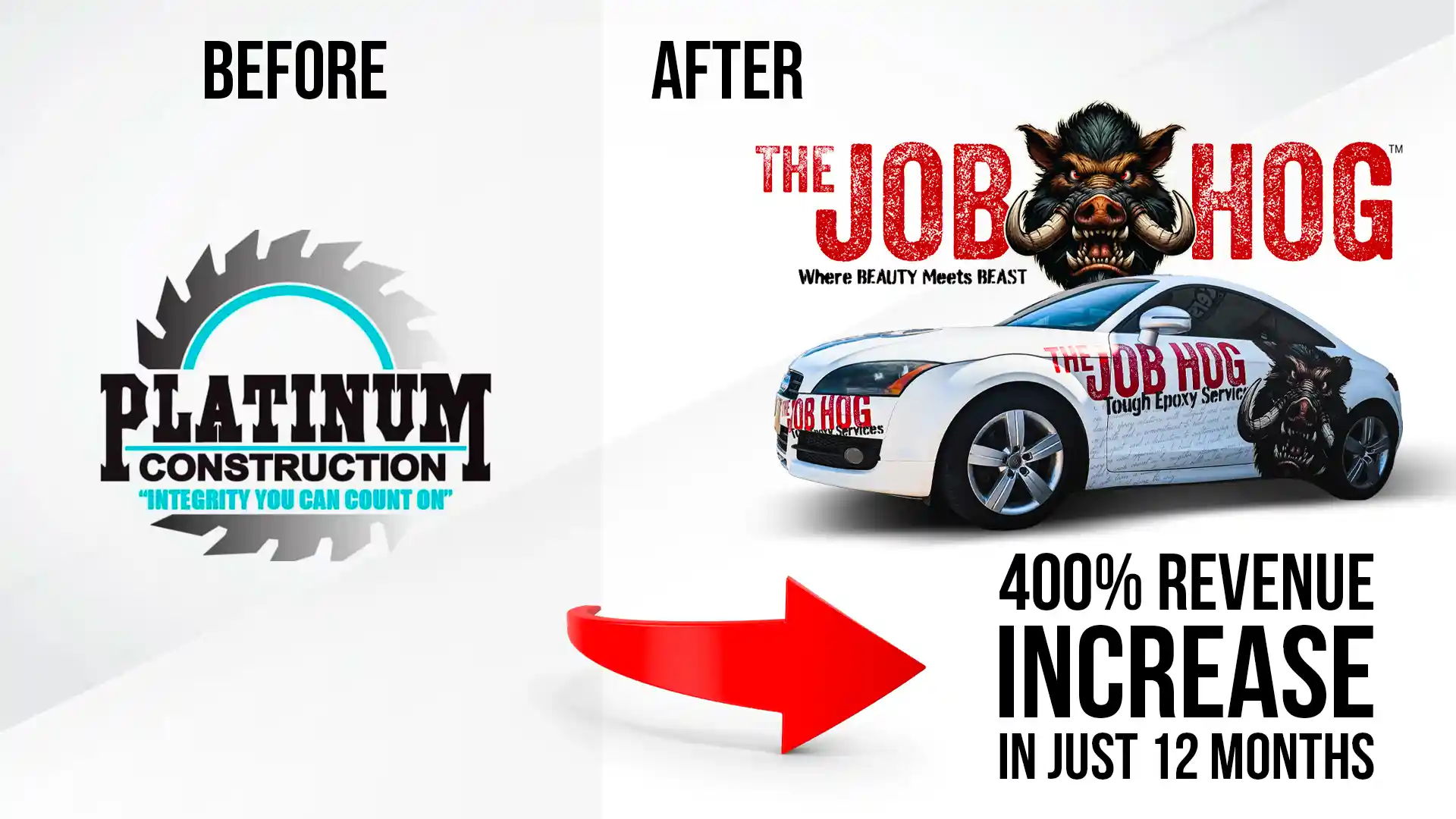
- Platinum Construction → The Job Hog
- Blue Standard Pools → Code 4 Pools “Your Pool Is Under Control”
- 8 Point Construction → Ironstead “The Ranch Fencing Authority”
These names don’t just describe services. They claim a role. When paired with a brand-led wrap, the customer doesn’t ask:
“Do they do this kind of work?”
They assume it. That shortens the decision cycle.
A Note for Legacy Brands
Legacy brands can absolutely still win. They already have:
- Recognition
- History
- Community trust
But here’s the reality: New competitors entering the market don’t have that history, so they’re using clarity, positioning, and brand-led visuals to gain traction faster.
That pressure isn’t going away. The strongest legacy brands aren’t abandoning what they’ve built. They’re protecting it by making sure it’s communicated clearly in today’s environment.
Standing still used to be safe. In crowded markets, it isn’t neutral anymore.
Important Clarification
This evolution isn’t for everyone. Rebranding fails when:
- It’s cosmetic
- It’s trend-driven
- It isn’t grounded in market reality
It works when:
- The category is crowded
- The names are generic
- No one clearly owns a position
Wraps, names, messaging, they only work when they function as a system.
Changing one without the others rarely moves the needle.
The Simple Truth
Contractor vehicles were never meant to close the sale. They were meant to:
- Create recognition
- Build trust
- Make the next step easier
Today, clear brands get remembered. Confusing brands get compared.
The contractors pulling ahead understand that difference, and they’re designing their trucks, names, and messaging accordingly.